Why this homily matters?
From ancient times, Christians have been called to reflect on their impending death. First to bring an appreciation of the gift of life. But also to put our actions in proper perspective. When we die, we need to be able to answer for our lives.
Do we strive every day to achieve happiness based on worldly items. Whether it be education, wealth, pleasures – they are all unsatisfying. Actor Jim Carrey once said, “I wish everyone could get rich and famous and do everything they ever dreamed of so that they can realize it will not make them happy.”
Key Points
So many of us love an underdog story. Movies like Rocky, Rudy, Remember the TItans, or Miracle on Ice come to mind.
Or how about Rich Strike who passed 16 other horses to become winner of the 2022 Kentucky Derby. His odds of winning going into the race were 80 to 1.
Then there are bands that make it big with one hit wonders – Chumbawamba, Dexys Midnight Runners, A-ha…
The question becomes then what? What did you do after that? Unless they can do it again and again, do we consider them as failures?
The Chase for Knowledge, Pleasure and Wealth
We build our lives and fill them up with checklists. These give us the impression that we are moving forward. Do we stop to answer whether we are doing anything important?
In the Book of Ecclesiastes, we hear from King Solomon as an old man. During his life, King Solomon’s riches and wisdom were renowned. But as an old man, he looks back at these with a different point of view. Vanity of vanities. All things are vanities. The Hebrew word for vanity is hebel. The word has many shades of meaning from “breath, wind, vapor” to “worthlessness, darkness, absurdity.” . Chasing worldly things like knowledge, pleasure and money is like chasing the wind
We move from one thing to another chasing the wind.
False Summits
Fr Mike describes after college he trained to be a wilderness guide. On particular days they would set a goal to climb a mountain. They would reach what they thought was the summit but it was in fact only a false summit. The mountain continued on higher and it was discouraging after a long trek. Then they got to what they thought was the summit and again it was another false summit. The level of discouragement only increased.
The author of Ecclesiastes wants to highlight false summits. Most of the things we want in our lives are false hopes.
I will be happy:
- When I get into the right college,
- When I figure out what to major in,
- when I graduate,
- when I get the right work placement
- When I have a good relationship
- When I marry,
- When I have kids,
- When the kids grow up,
- When I retire,
- when I am done __________________.
But we are never done. We need to ask ourselves the hard questions posed in Ecclesiastes. Otherwise, we will not have sufficiently smashed the false hopes of our lives that too many of us live for. Only then will we find out if the real hopes and real summits actually exist.
In Ecclesiastes, a life has been portrayed without God. Without God in the equation, everything does not last. Everything and everyone dies. Time and death will make most of what we live for hebel.
How many of us can even name the full names of our great grandparents?
The Western solution is to not think about death. In our society we move away from death as quickly as possible. Removing the body from the house. Putting make up on a corpse. We don’t pay attention to life and we are then taken by surprise by death.
In the Gospel of Luke, Jesus recounts the Parable of the Rich Fool. Teacher, tell my brother to share the inheritance with me.
Jesus calls him a fool. It’s all hebel. Whatever you are trying to hold on to it’s all hebel.
We are all of us dying. We are all in the process of dying. It will happen and we cannot ignore this.
The Benefits When We Reflect on Death
The country of Bhutan is far from developed. But it is rated as one of the happiest in the world. Among the reasons given is that they regularly face their own deaths as part of their culture. Their funerals last 21 days. In America, you leave the body to go have cake. In Bhutan, we will reflect on death even if it ruins the taste of the cake. They reflect on death 2 to 3 times a day.
When we reflect on death, we appreciate life more.
Bhutan is largely a Buddhist country. Buddhism reflects a world view where God has been removed. The highest level of wisdom a person can achieve is when you realize everything is impermanent. Just like the majority of Ecclesiastes – except for the last page.
On the last page of Ecclesiastes, God is a real part of the equation. Ultimate wisdom – Fear God and keep his commandments. This is the whole duty of Humans. For God will bring every deed into judgment. Every hidden thing whether good or evil. It’s all hebel. None of it matters if God is not in the equation.
But God is real. There is a real summit. We need to seek what is above.
Everything I give will last. Everything I surrender to God will endure.
Christian Tradition to Reflect on Death
While what the Bhutanese do is beautiful, Christian tradition too has called on its followers to reflect on their own impending death.
Consider what has been described as a secret to the holiness of all saints. They kept their own death at the forefront of their minds. They understood that this earthly life was not their home.
This was the sentiment of Blessed Charles de Foucauld. He once said: “The most important moment of our life is the moment of our death. We move closer toward this moment with each passing day.”
St Charles de Foucauld was recently canonized in 2022.
Reflect on death, “so as to prepare for it and appraise things at their true value.” De Foucauld would spend 30 minutes in prayer every day to reflect on death.
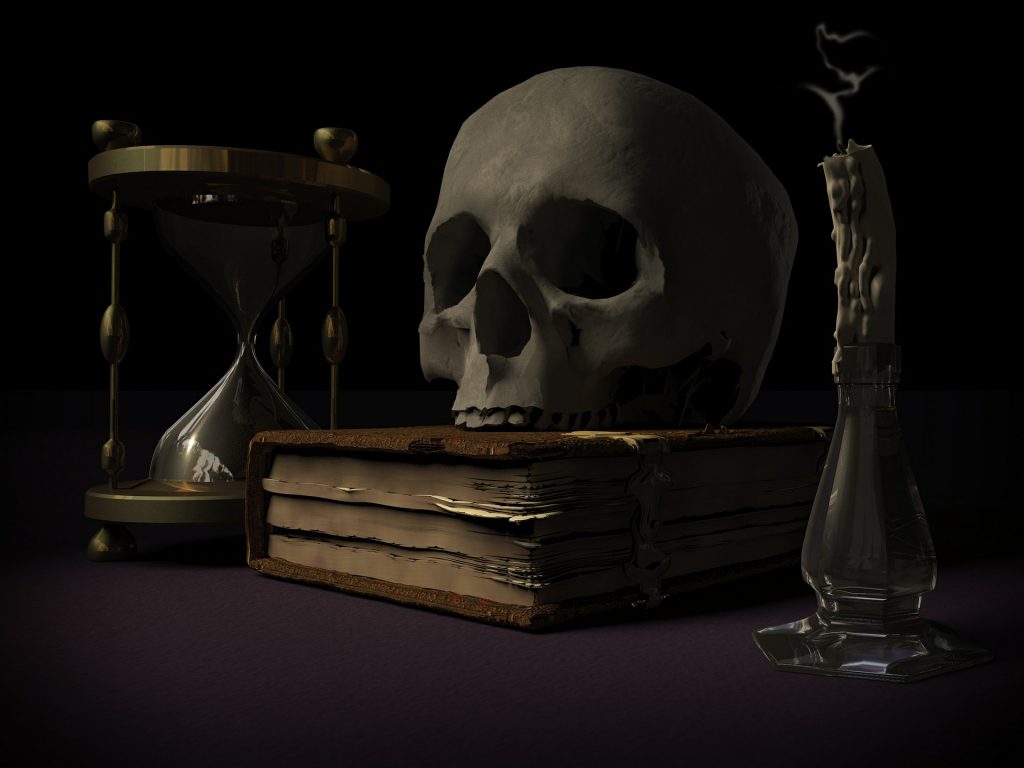
Memento Mori is a Latin phrase that was often used in past times. Remember your death. You must be ready to answer for your life.
In Rome, there is a church made of bones, called the Bone Church. A sign reads – What you are now, we used to be. What we are now, you will be.
The last 6 rooms are in many respects the most important. In one of the these is a painting of Jesus raising Lazarus from the dead
We need to remind ourselves of our impending death. We will be raised from the dead into everlasting glory or everlasting shame.
Suggested Homily
Scripture References
Book of Ecclesiastes (aka Book of Qoheleth) 1::2; 2:21–23
Parable of the Rich Fool – Luke 12:13-21
Colossians 3:1-5, 9-11
John 11:1–44