Why this homily matters?
Should we believe that economic and political institutions are corrupt? Moreover, should we seek to tear them down in line with today’s wokeism? Or in contrast is political and economic authority necessary for an ordered life? Catholic social teaching holds that neither extreme is fully justified. Power can be good but power can also be corrupted.
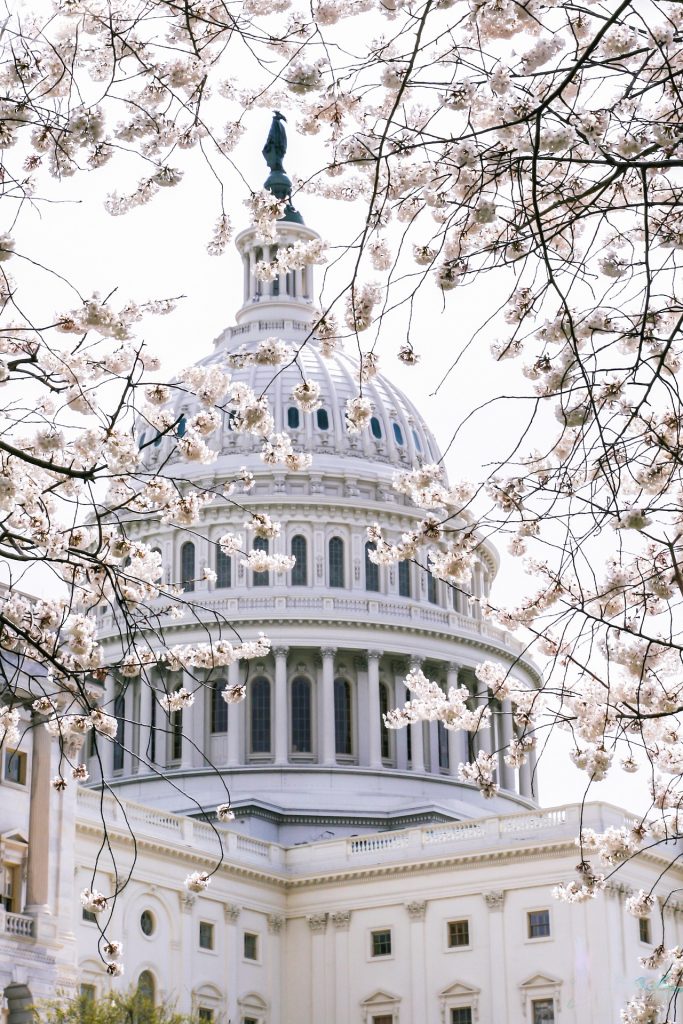
Key Points
Should we worship the powerful or seek to tear them down in line with today’s wokeism? Both sides of the Church’s social teaching are on display in the selected readings.
The development of Wokeism through Friedrich Nietzsche and Michel Foucault
Our society’s attitudes as to power owe much to Friedrich Nietzsche. He is arguably one of the most important philosophers of the 19th century. Nietzsche said we are beyond good and evil and that there are no objective moral values.
Nietzsche’s influence is everywhere from:
- Martin Heidegger
- CG Yung
- the novels of Ayn Rand
- Jean-Paul Sartre.
Most clearly it is seen in the reflections of philosopher Michel Foucault. He may be the most influential concerning the modern day phenomenon of wokeism. Here we look at social, political, economic and cultural institutions. And more specifically, we look at these primarily from the viewpoint of power and the abuse of power. We look behind these institutions and see plays of power. Furthermore, we believe there are powerful people behind these institutions. They seek nothing but the oppression of the weak and the poor. Therefore our confidence in these institutions is shaken.
The Tragic Death of George Floyd and its Aftermath on Wokeism
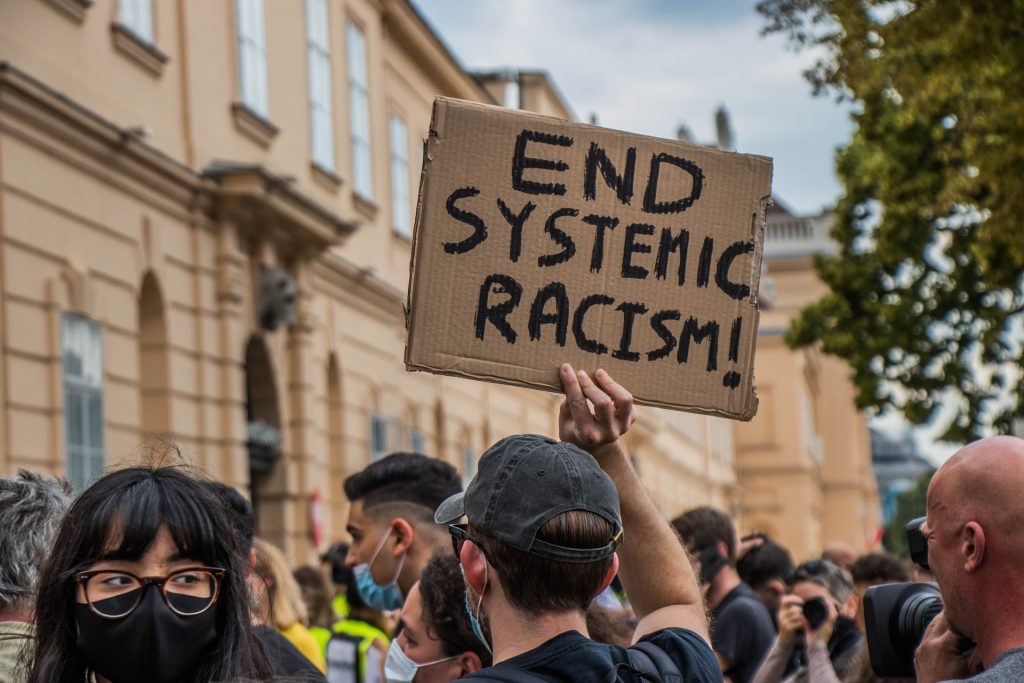
In the summer of 2020, following the death of George Floyd – we heard alot about this rhetoric. We heard that social, political, economic and cultural institutions are corrupt. So, we should tear them down. For example, slogans like defund the police were used. We don’t seek to remove a few bad apples or reform the system. Rather we seek to knock the whole thing down.
This instinct is repugnant to Catholic social teaching. We don’t demonize power in any form: economic, social, cultural or political. God is all powerful. So therefore power is not a bad thing. Political power is a participation in the power of God. In other words, it is a sort of delegated authority to our leaders. If power is defined as the capacity to effect change then it is not bad in itself. The proper and orderly functioning of our political reality needs power. For example, St Augustin’s definition of peace is “tranquilitas ordinas” – the tranquility of order. This order comes from the proper exercise of political, economic and social power.
Pray for our Leaders
In Paul’s letter to Timothy, he asks that prayers, petitions and thanksgiving be offered for those in authority. He asks this so that we can lead a quiet and tranquil life. Paul isn’t demonizing authority. We pray that the Divine Authority may inform the work that they do.
The Church therefore sees the value of political order.
In fact, we have canonized several political figures including
- Louis IX (Saint Louis)
- Stanisław II August (King of Poland and Grand Duke of Lithuania)
In the liturgy of every mass, we pray for the Pope and for civil leaders.
God wishes for everyone to be saved and this is predicated on an ordered society. That is to say political power is a prerequisite for our salvation
This is one side of Catholic social teaching. But there is another
The Prophet Amos and Wokeism
In Amos, we hear a great prophet of social justice.
He is a critic of the abuse of power.
The Bible is very distinct in this regard. In the ancient world, civilizations turned their authorities into Gods including:
- Babylon,
- Assyria,
- Persia or
- Rome.
They said they should be worshiped as infallible. In Rome, this started with Julius Caesar and passed down to his adopted son.
The Bible is different. For example, in the accounts of the prophet Samuel, Israel calls out for a King to be like other nations. He tells them exactly what kings in their corruption are going to do.
In Amos we read:
Hear this, you who trample upon the needy and destroy the poor of the land!
“When will the new moon be over,” you ask, “that we may sell our grain and the sabbath, that we may display the wheat? We will diminish the ephah add to the shekel and fix our scales for cheating!
We will buy the lowly for silver and the poor for a pair of sandals; even the refuse of the wheat we will sell!”
What is at the center of our economic system. Is it care for the poor? Concern for those who don’t have enough? Do we draw more and more people into the market so that they too can benefit? Or is it self concern and self preoccupation?
How do we exercise economic, social and political power?
We need to be vigilant because we recognize that power can be corrupted. We need to speak truth to power and to hold our leaders to account. But power in of itself is not bad and is needed for the right order of society.
Suggested Homily
Scripture References
| 1st Reading | Amos 8:4-7 |
| Responsorial Psalm | Psalms 113:1-2, 4-6, 7-8 |
| 2nd Reading | 1 Timothy 2:1-8 |
| Alleluia | 2 Corinthians 8:9 |
| Gospel | Luke 16:1-13 Or Luke 16:10-13 |